Related

Strength Training vs Cardio: What Actually Works Best?
If you’ve spent any time in a gym (or on fitness Instagram), you’ve probably seen this debate play out like a rivalry:
Team Cardio vs Team Weights.
But when you step away from opinions and look at what the research says, a much clearer—and more useful—answer emerges:
The most effective approach isn’t choosing one. It’s combining both.
Let’s break down what the science actually says.
What the Research Says (Big Picture)
A growing body of research shows that each type of training produces distinct physiological benefits, and that those benefits are complementary—not competing.
- Aerobic exercise (cardio) is strongly linked to cardiovascular health and disease prevention
- Resistance training (strength) is essential for muscle mass, metabolism, and long-term function
That’s not fitness industry hype—that’s the consensus across multiple studies.
What Cardio Does Best (According to Research)
Cardio excels at improving the systems that keep you alive.
Proven benefits:
- Improves heart health and VO₂ max
- Reduces blood pressure and cardiovascular disease risk
- Burns calories efficiently during exercise
A large randomized controlled trial published in the European Heart Journal found that cardio significantly improves cardiovascular disease risk factors like blood pressure, cholesterol, and body fat.
In that study:
- Cardio alone improved heart health markers
- Strength training alone did not produce the same cardiovascular improvements
This suggests cardio is essential for heart health.
What Strength Training Does Best
Strength training fills in the gaps cardio leaves behind.
Proven benefits:
- Builds and preserves lean muscle mass
- Increases resting metabolic rate
- Improves bone density and joint health
- Reduces injury risk and age-related muscle loss
Research consistently shows that muscle mass increases daily energy expenditure, meaning you burn more calories even at rest.
Strength training also produces an afterburn effect (EPOC), where your body continues to use energy for hours after the workout ends.
Why Combining Both Works Best (The Key Insight)
Here’s where things get interesting—and where most people miss the mark.
A controlled clinical trial comparing:
- Strength training alone
- Cardio alone
- Combined training
Found that the combination of strength and cardio produced the most comprehensive improvements in health markers.
Researchers concluded that resistance training should be viewed as an addition—not a replacement—for cardio.
Other analyses echo this, showing that a combined approach improves:
- Body composition
- Cardiovascular fitness
- Metabolic health
- Long-term disease risk
Fat Loss: Where People Get Confused
This is where the debate usually heats up.
- Cardio burns more calories during the workout
- Strength training increases calories burned throughout the day
Research suggests the best results come from combining both approaches strategically.
Using cardio to create a calorie deficit while strength training helps preserve muscle.
Why this matters:
- Cardio alone can lead to muscle loss
- Muscle loss can slow metabolism
- A slower metabolism makes long-term fat loss harder
Combining both helps you:
- Lose fat
- Maintain or build muscle
- Avoid plateaus
Longevity, Health, and Real Life
From a long-term health perspective, both forms of training play important roles.
- Cardio supports how long you live through improved heart health and disease prevention
- Strength training supports how well you live through strength, independence, and injury prevention
Together, they create a system where your heart is efficient, your body is strong, and your metabolism stays active.
What This Means for Your Training
If you’re trying to decide which is better, you’re asking the wrong question.
The better question is how to combine them effectively.
A research-backed approach:
- Strength training: 2–4 days per week
- Cardio: about 150 minutes per week at moderate intensity
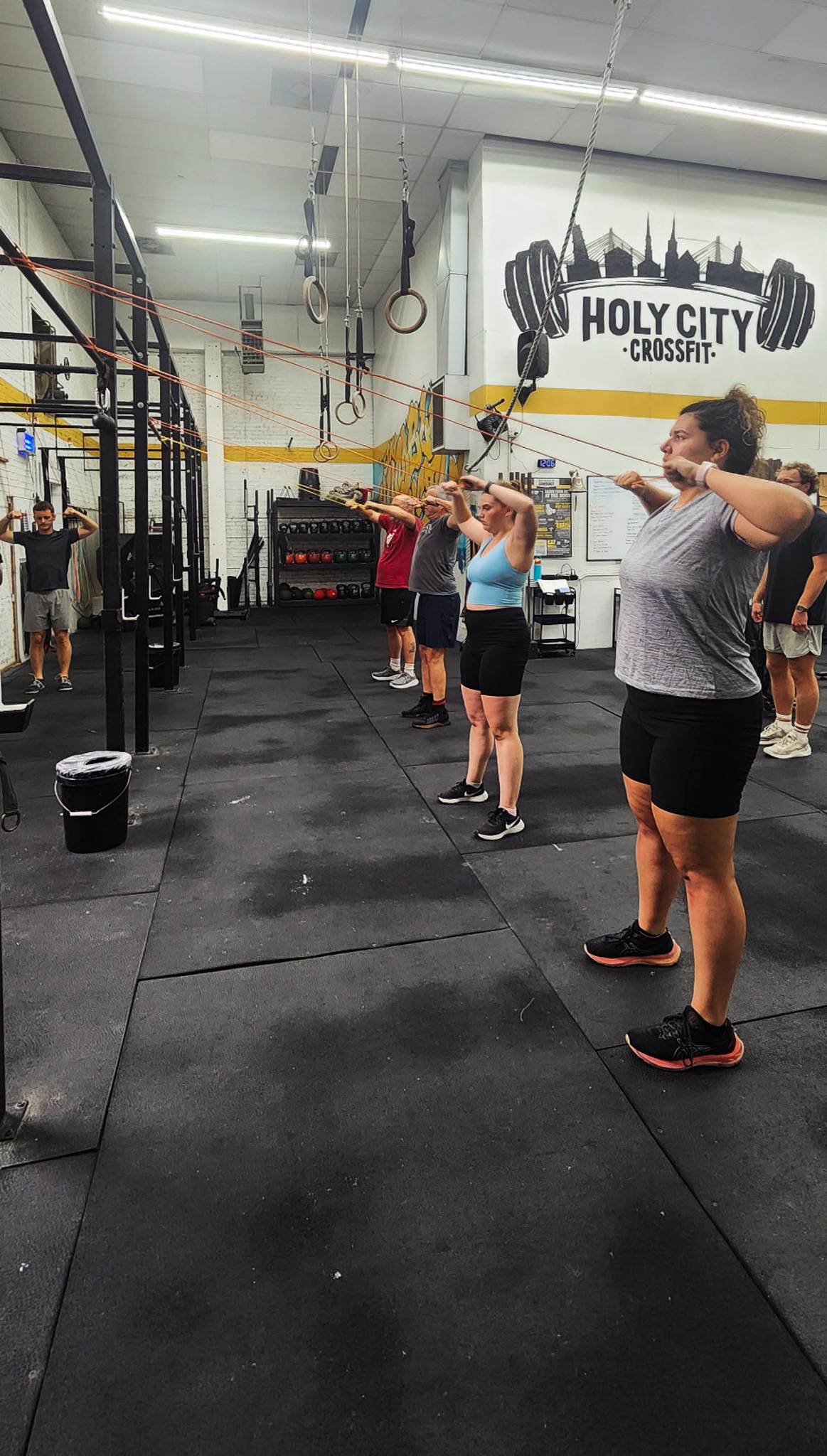
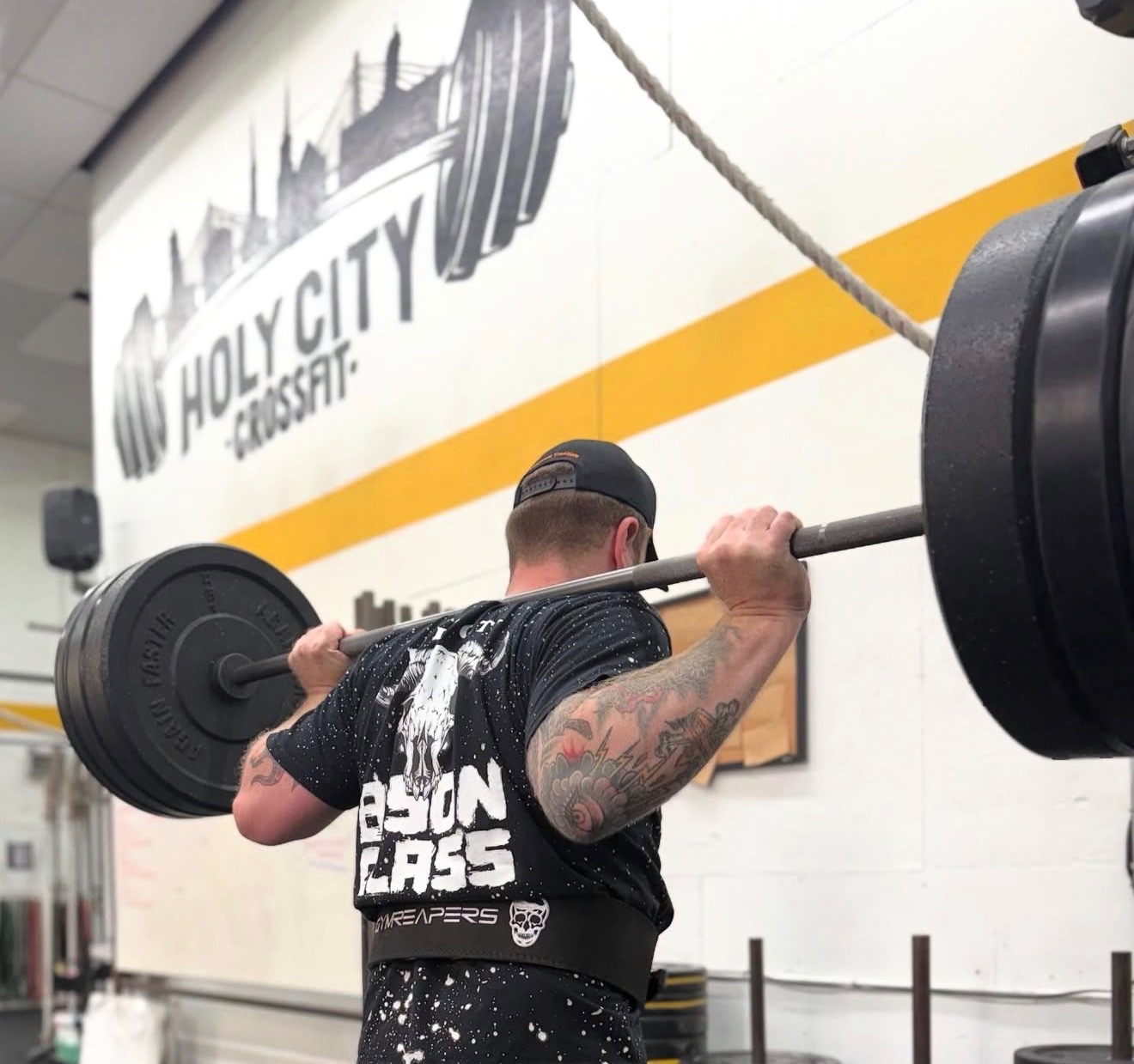
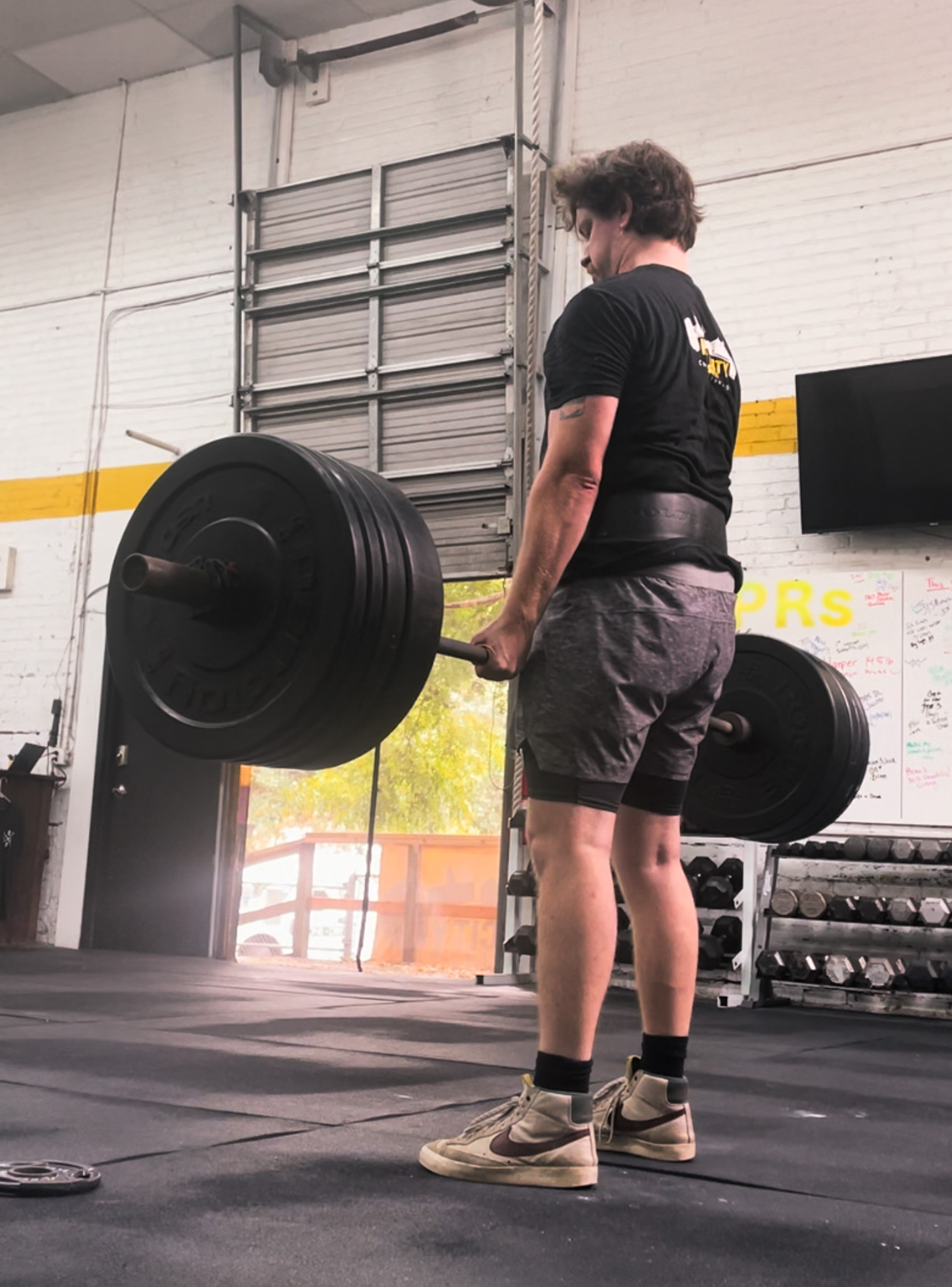
This is where Holy City CrossFit comes in. Our WOD's and personal training programs combine both in an effective and approachable way, tailored to your fitness level and goals. This aligns with widely accepted exercise guidelines and research-supported outcomes.
Final Takeaway
The science is clear.
- Cardio is essential for heart health
- Strength training is essential for muscle and metabolism
- Doing both is what actually works best
Not because it sounds balanced, but because your body is a system, and no single type of training develops all of it.
If you’ve been stuck choosing sides, you don’t need to.
Set up a free No Sweat Intro with one of our coaches to find what plan works for you to meet your goals!