Related

Why Personal Training Isn’t Just for Beginners
When people hear “personal training,” they usually picture someone brand new to the gym—someone learning how to squat, figuring out what machines do what, maybe just trying to build some confidence.
That’s definitely part of it. But it’s not the whole story—not even close.
In reality, personal training often becomes more valuable once you’ve been working out for a while. Once the easy progress is gone. Once things stop working the way they used to.
Progress Gets Harder (and Less Obvious)
In the beginning, almost anything works. You lift a few weights, clean up your diet a bit, and progress comes quickly. That phase doesn’t last forever.
Eventually, you hit a point where you’re doing all the “right” things… and nothing’s really changing. Strength stalls. Body composition stays the same. Workouts start to feel repetitive.
That’s not a motivation problem—it’s a programming problem.
A good coach can look at what you’re doing and spot the gaps pretty quickly. Maybe you’ve been doing the same rep ranges for too long. Maybe your intensity is off. Maybe you’re not recovering as well as you think you are.
Small adjustments at this stage make a big difference—but they’re hard to see when you’re in it every day.
More Experience = More Complexity
The longer you train, the less you benefit from just “showing up and working hard.”
You need structure. You need progression. You need a plan that actually builds from week to week instead of just being a collection of tough workouts.
That’s where coaching really shines.
Instead of guessing what to do each day, you’re following a program that has a purpose. There’s a reason for the sets, the reps, the rest times. There’s a reason things get harder—or sometimes easier.
It takes the mental load off and replaces it with direction.
Technique Starts to Matter More
When the weights are light, you can get away with a lot. As they get heavier… not so much.
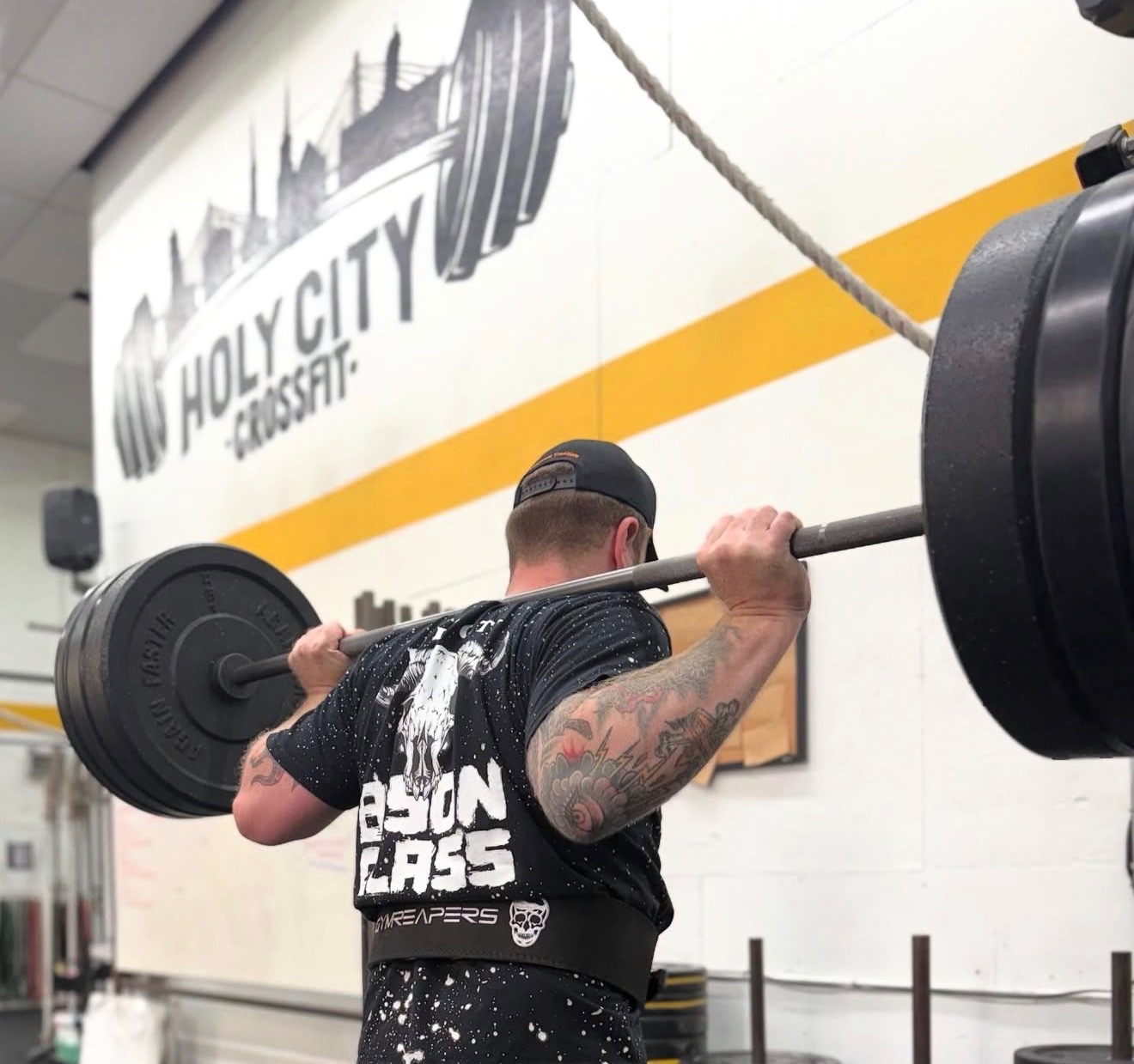
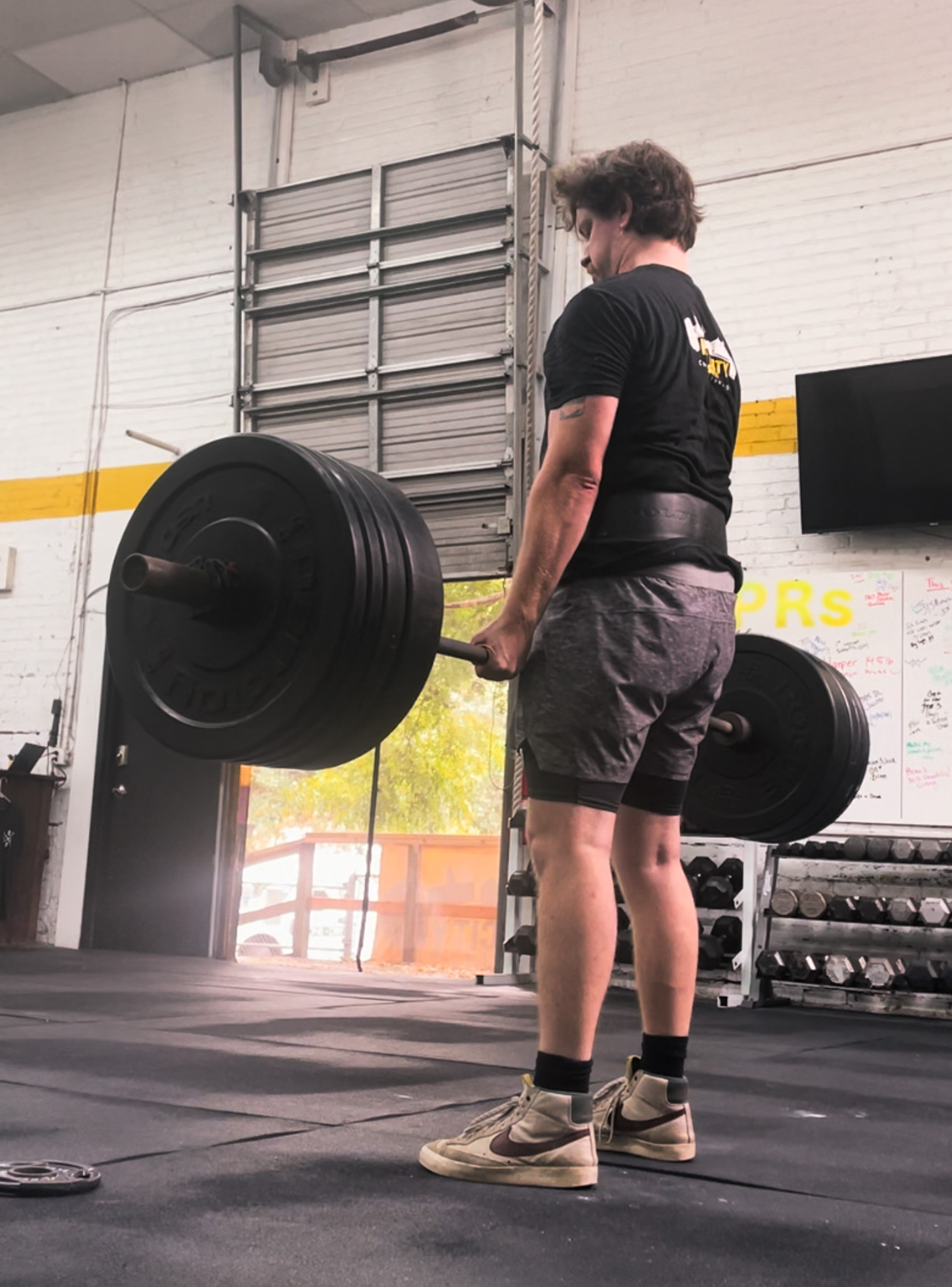
Little things—bar path, positioning, timing—start to matter more. Not just for performance, but for staying pain-free.
Most people don’t notice these things on their own. You can’t always feel when something’s slightly off, and mirrors will only tell you so much.
Having another set of eyes on your movement can be the difference between spinning your wheels and actually improving.
Accountability Doesn’t Expire
Even people who’ve been training for years go through phases where life gets busy or motivation drops off.
That’s the way the cookie crumbles.
What helps is having something—or someone—that keeps you consistent when you’d otherwise skip. Not because you don’t know what to do or want to do it, but because you’ve got a lot going on outside the gym.
A scheduled session, a coach who’s expecting you, a plan that’s already laid out… it removes a lot of the friction.
You’re Not Always the Best Judge of Your Own Effort
Some people push too hard all the time. Others think they’re pushing hard enough… but aren’t quite there.
Most of us bounce between the two.
It’s tough to be objective about your own training. You either second-guess everything or give yourself too much leeway.
A coach brings some balance to that. They’ll tell you when to add weight, when to back off, and when you’re capable of more than you think.
Goals Change—Your Training Should Too
What you want out of the gym probably isn’t the same as it was a year ago.
Maybe you started out trying to lose weight. Now you care more about strength. Or longevity. Or just feeling better day to day.
Training should evolve with that—but a lot of people keep doing the same things out of habit.
Having someone guide that transition makes it a lot smoother (and a lot more effective).
Staying Healthy Becomes the Priority
At some point, it’s not just about pushing harder—it’s about staying in the game.
Nagging aches, tightness, overuse injuries… they tend to show up if your training isn’t balanced.
A good coach helps you manage that. Not just with what you do in the workout, but how you warm up, how you recover, and how everything fits together.
The goal isn’t just to get stronger—it’s to keep you training consistently for years.
Even the Best Don’t Do It Alone
No one outgrows coaching.
High-level athletes all have coaches, not because they don’t know what they’re doing, but because they understand the value of an outside perspective.
The same idea applies here. You don’t need to be a beginner to benefit from guidance—you just need to want better results.
The Bottom Line
Personal training isn’t something you graduate from once you’ve “figured out” the gym.
If anything, it becomes more useful the longer you train.
When progress slows, when goals shift, when things get more technical—that’s when having a coach in your corner really starts to pay off.
If you’ve been doing your own thing for a while and feel like you’re stuck (or just not getting as much out of your time as you could), it might not be a sign to try harder.
It might be a sign to get some help and move forward with a plan.
Schedule your No Sweat Intro and let us make a plan to get you to your best you.